Loading...
Serving Tracy, CA and surrounding areas. (209) 699-5828
Uneven, cracked, or sunken floors do not always need to come out. Self-leveling concrete flows into low spots and creates a flat, stable surface - and most jobs are complete without jackhammering or days of demolition.
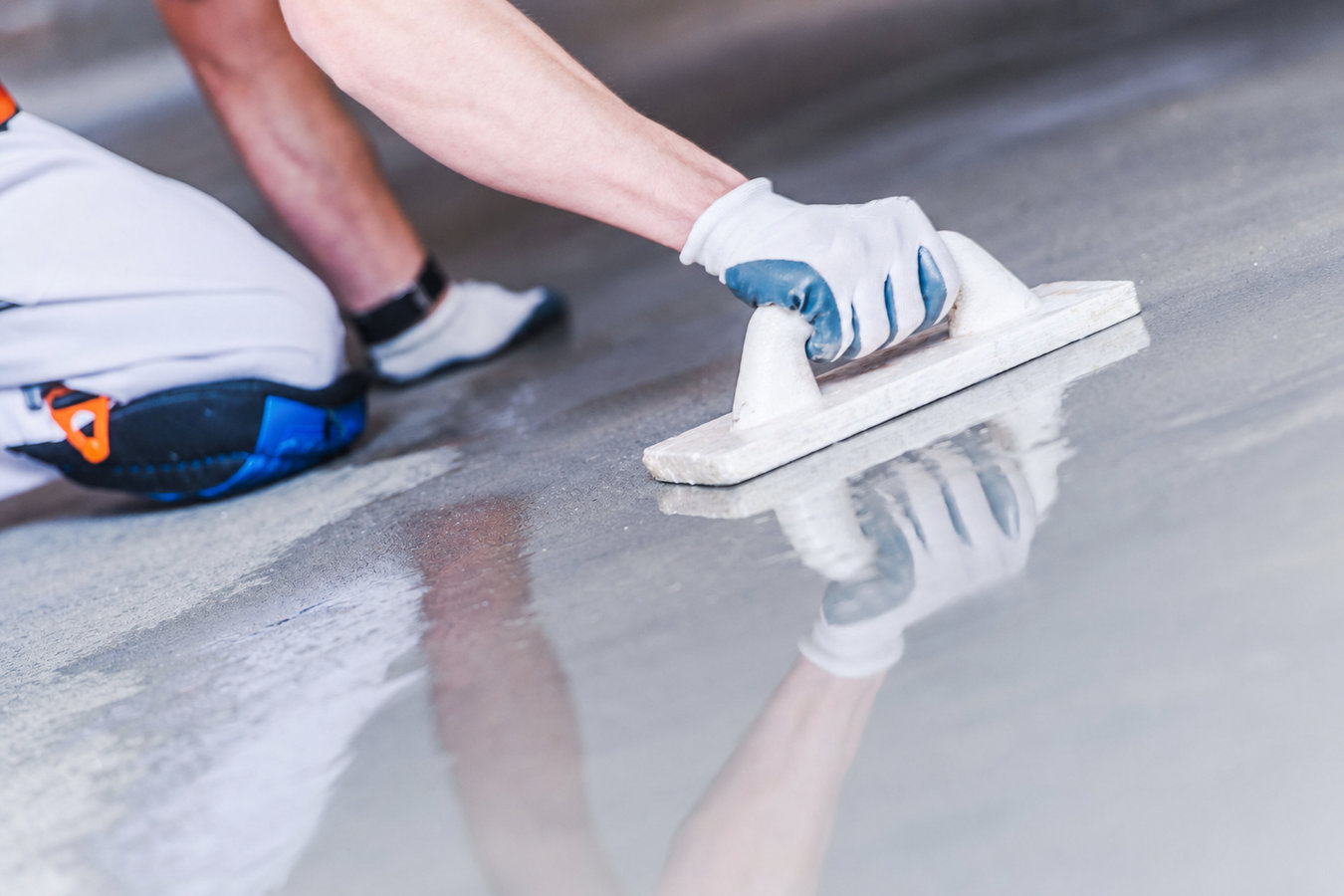
Self-leveling concrete in Tracy, CA is a specially mixed material that flows across an uneven floor and settles into a smooth, flat surface on its own - filling low spots, covering cracks, and creating a level base for tile, hardwood, or a finished overlay, with most residential jobs completed in one to two days.
If your floor has shifted, settled, or developed uneven spots over time, self-leveling concrete is the standard fix. It does not require jackhammering, hauling away the old slab, or weeks of disruption. The material flows into low areas and hardens into a flat, stable base. Tracy homeowners often need this service when a garage floor has been stressed by years of vehicle traffic and clay-soil movement, when an interior slab has developed low spots that cause tile to crack, or when a contractor installing new flooring says the subfloor is not flat enough. For surfaces that are in basically good shape but need a protective or decorative finish after leveling, our concrete resurfacing and overlays service handles the finish layer once the base is flat and cured.
The critical factor is what is happening underneath the slab. If the floor is uneven because the concrete itself has cracked or shifted on unstable soil, that needs to be assessed before any self-leveling material goes down. Pouring over an actively moving slab creates a short-term fix that fails quickly. A proper on-site assessment tells you which situation you are in and what the right scope of work actually is.
If you can see cracks running across your garage floor or interior slab - or notice a slight dip or rise when you walk across the floor - the surface has shifted or deteriorated. In Tracy, expansive clay soils that swell with winter rain and shrink in summer heat are the most common cause of this gradual movement. A self-leveling pour fills those low spots and creates a stable, even surface that new flooring or a finish coat can go over.
When the concrete beneath a tiled floor is uneven or has settled, the tile above it loses support and starts to crack, pop, or lift at the edges. If you notice grout lines cracking or tiles that sound hollow when you tap them, the problem is usually the floor underneath - not the tile itself. Resurfacing the slab before re-tiling is the right fix; skipping it means new tile will likely fail the same way.
Garage floors in Tracy homes built in the 1990s and 2000s have often absorbed years of oil, vehicle traffic, and chemical exposure. If your garage floor is rough, discolored, or starting to flake on the surface, an overlay can cover all of that and give you a clean, durable finish - without the cost and disruption of tearing out the old slab.
Most flooring manufacturers require the subfloor to be within a specific flatness tolerance before hardwood, luxury vinyl, or large-format tile is installed. If your contractor has told you the floor is not flat enough, a self-leveling pour is the standard fix. This is a common situation in older Tracy homes where the original slab has settled unevenly over the years.
Every job starts with an on-site look at your floor - checking for cracks, moisture, soft spots, and how far out of level the surface is. The condition of your existing slab determines what prep work is needed, which product is right, and whether a moisture barrier needs to go down before anything else. Skipping that assessment is how overlay jobs fail within a year or two, and it is why we never quote a number over the phone before we have seen the floor. Once the surface is prepared and primed, the self-leveling material is mixed and poured - it flows across the floor, self-corrects for level, and hardens into a flat, solid base. For customers who want a finished decorative surface on top of the leveled base, our concrete resurfacing and overlays service handles that finish layer as part of the same project.
Moisture testing is a step we take seriously on every job. If water is coming up through the slab from below - which is more common in Tracy homes where the water table or irrigation runoff keeps the soil damp - applying an overlay on top traps that moisture and causes the new layer to delaminate. The American Concrete Institute identifies moisture vapor emission as one of the leading causes of overlay failure - a step that experienced contractors account for before any material goes down. We test before we pour, and if moisture is present, we address it before the overlay goes on.
Best for interior floors that need to be brought up to a specific flatness tolerance before hardwood, tile, or luxury vinyl is installed - the material flows and self-corrects with minimal troweling.
Suits homeowners who want a finished surface - smooth, textured, or lightly colored - applied directly over the leveled base without the cost of an additional flooring material on top.
Ideal for garage slabs that are cracked, stained, or pitted - the overlay covers surface damage, adds durability, and creates a clean, sealed finish that holds up under vehicle traffic.
A good fit for outdoor concrete areas that have developed low spots or drainage problems - levels the surface and provides a slip-resistant finish suited to wet conditions.
Tracy and the broader San Joaquin Valley sit on expansive clay soils that swell when wet and shrink when dry. This cycle repeats every rainy season, and over 10 or 20 years it puts significant stress on concrete slabs. The result shows up as low spots, uneven areas, and cracking that gets progressively worse. Tracy homes built in the 1990s and 2000s are now 20 to 30 years old - old enough for that soil movement to have caused noticeable changes in slab flatness. Interior floors that were level when the home was built may have developed low areas near doorways or in the middle of a room. Garage slabs often show the same pattern. The summer heat compounds the problem: materials that expand in summer and contract in winter add another cycle of stress on top of the soil movement already happening below. A self-leveling pour addresses the visible result of all of this without requiring full slab replacement.
The best time to schedule this work in Tracy is spring or early fall, when temperatures are moderate and the material can cure at the right pace. Summer pours are possible but require careful early-morning scheduling to avoid the material setting too fast in peak afternoon heat. Homeowners in Stockton and Modesto face the same combination of clay soils and Valley heat, and we see the same floor leveling needs across all three areas. A contractor who works regularly in the Central Valley understands how to schedule and apply self-leveling materials in these conditions - and that experience directly affects the quality of the result.
When you reach out, we ask a few basic questions - the room or area, roughly how large it is, and what you are hoping to accomplish. We reply within one business day and schedule a free in-person estimate, because the condition of your existing slab is what determines the real scope of work.
During the visit, we look closely at the floor - checking cracks, soft spots, how far out of level the surface is, and whether moisture is coming up through the slab. If moisture is present, we address it before the overlay goes down. A contractor who skips this step is setting you up for a floor that fails early.
Before any material goes down, we grind or abrade the surface so the overlay bonds properly, repair significant cracks, and apply a primer coat. In Tracy's summer heat we schedule pours for early morning - a detail that directly affects whether the material flows and levels correctly or sets too fast.
We mix and pour the self-leveling material, guide it across the surface, and check for full coverage. Once cured, we walk the floor with you and give you a written timeline for when you can bring furniture and vehicles back. Most floors are ready for light foot traffic within 24 hours.
Free on-site estimate. Moisture tested before anything goes down. Written quote with no add-ons once work starts.
(209) 699-5828Moisture coming up through a slab is the most common reason overlays fail early - the trapped vapor causes bubbling and delamination within a year or two. We test every floor before any material goes down, and if moisture is present, we address it rather than covering it up. That step is what separates a floor that lasts from one that fails before the first winter.
Tracy's summers regularly push past 100 degrees F, and self-leveling material that is poured in peak afternoon heat sets too fast to flow and level correctly. We schedule summer pours for early morning when temperatures are still manageable - a scheduling detail that directly affects the quality and flatness of the finished floor.
Tracy's expansive clay soils are one of the main reasons local slabs shift and develop low spots. Before recommending an overlay, we assess whether the slab movement has stabilized - because an overlay poured on a floor that is still actively shifting will crack again. That honest evaluation before the work starts is the most important thing we do.
California requires contractors performing work valued at $500 or more to hold a valid CSLB license. You can verify any contractor - including us - in about 30 seconds at cslb.ca.gov before signing anything. A licensed contractor has passed a state trade exam, carries the required insurance, and gives you legal recourse if the work does not meet the standard it should.
A self-leveling job done right the first time creates a stable base that new flooring or a finish coating can go over with confidence. It starts with honest moisture testing, proper surface prep, and scheduling that accounts for Tracy's climate. Concrete Network has a practical overview of self-leveling concrete and what the process involves.
Apply a slip-resistant, UV-stable finish to pool decks and outdoor slabs after leveling and resurfacing work is complete.
Learn MoreAdd a decorative or protective finish overlay on top of a leveled slab - textures, colors, and stamped patterns for driveways and patios.
Learn MoreSpring and fall are the best windows for self-leveling work in the Central Valley - call now to get a free estimate and a written quote before summer heat limits scheduling.